

Breast augmentation is a surgical procedure that increases breast size using implants or fat transfer. Recent clinical data shows that approximately 142,000 patients undergo this procedure annually across North America. According to the American Society of Plastic Surgeons, this volume represents a steady increase in patient demand over the last five years. You must evaluate your baseline health before pursuing any cosmetic intervention. A qualified surgeon will review your medical history to ensure you meet the necessary safety thresholds. Clinical guidelines emphasize that realistic expectations and physical readiness form the foundation of a successful outcome. (Age distribution of)
Evaluating Your Physical Health Requirements
Physical readiness determines whether your body can safely undergo anesthesia and surgical stress. You must maintain a stable weight for at least six months before scheduling any procedure. Medical standards require that patients avoid smoking for four weeks before and after surgery. Nicotine restricts blood flow and significantly increases complication risks. You should also confirm that your immune system functions without chronic autoimmune disorders. Stable health metrics directly correlate with faster tissue healing and reduced infection rates.
Assessing Overall Medical Stability
Your primary care physician must clear you for elective surgery. Certain cardiovascular conditions or uncontrolled diabetes require specialized anesthesia protocols. You must disclose every prescription medication and dietary supplement during your initial consultation. Some blood thinners increase intraoperative bleeding risks. Your surgeon at Ultimo Clinic will coordinate with your specialists to adjust your regimen safely. This collaborative approach ensures your physiological baseline supports optimal surgical recovery.
Reviewing Current Medication Lists
Herbal supplements often interact unpredictably with anesthetic agents. Ginseng, garlic extracts, and fish oil can prolong bleeding times. You must pause these substances under direct medical supervision. Your surgical team will provide a precise timeline for discontinuing each compound. NHS protocols emphasize that medication transparency prevents unexpected intraoperative complications. Full disclosure protects your safety and allows your care team to prepare appropriate hemostatic measures.
Understanding Implant Placement Options
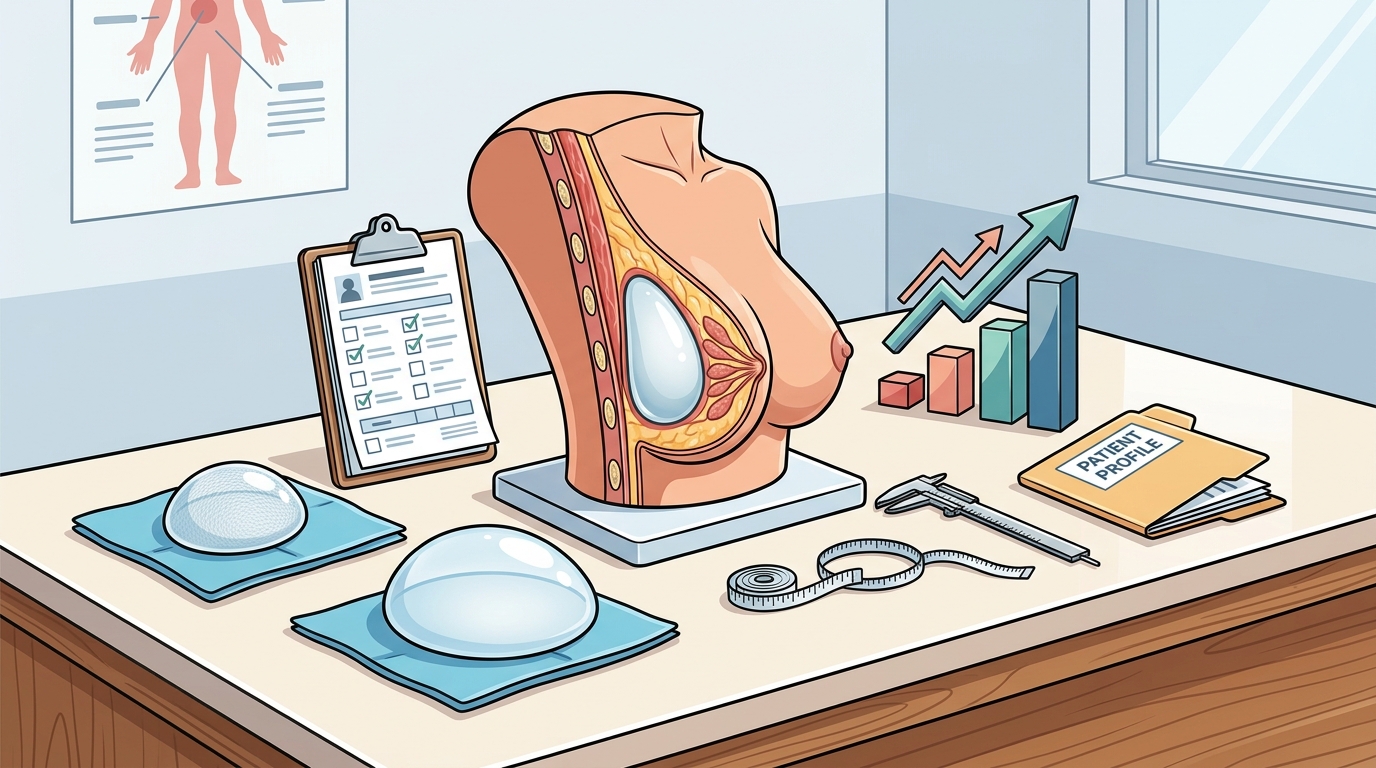
Implant placement refers to the specific anatomical location where the prosthetic device is positioned relative to the pectoral muscle. Your natural tissue thickness dictates which positioning method yields the most natural contour. Patients with thin subcutaneous fat often benefit from submuscular placement. This technique covers the upper implant edge with native muscle tissue. Our surgical team evaluates your chest wall anatomy to recommend the optimal pocket creation method. Proper positioning minimizes visible rippling and preserves long-term implant integrity.
Evaluating Tissue Thickness and Coverage
Ultrasound mapping helps surgeons measure your existing breast parenchyma. Adequate tissue coverage prevents implant visibility and palpability. Patients with naturally narrow chest walls may require customized implant dimensions. Customized sizing ensures proportional harmony with your shoulder width and hip structure. Your surgeon will utilize 3D imaging technology to simulate postoperative results. This predictive modeling helps you visualize how different volumes interact with your unique anatomy.
Defining Realistic Aesthetic Expectations
Saline implant is a silicone shell filled with sterile saltwater that expands to the desired volume after insertion. You must understand that implants do not alter your fundamental body shape. They enhance existing proportions rather than creating entirely new silhouettes. Patients with significant ptosis may require a combined breast lift procedure. Aesthetic planning requires honest discussions about your lifestyle and clothing preferences. Realistic expectations prevent postoperative dissatisfaction and support long-term psychological well-being.
Analyzing Body Proportions and Symmetry
Natural asymmetry exists in nearly every human body. Minor differences in nipple height or breast base width are completely normal. Your surgeon will measure these variations to select appropriately sized implants. Customized implant profiles compensate for existing anatomical discrepancies. Proportional harmony remains the primary objective of modern augmentation surgery. You should focus on achieving balance rather than pursuing absolute mathematical symmetry.
Reviewing Surgical Safety Protocols
Board certification verifies that your surgeon completed rigorous residency training and passed comprehensive examinations. You must verify that your operating facility maintains current accreditation standards. Accredited surgical centers undergo regular inspections for infection control and emergency preparedness. Peer-reviewed research consistently demonstrates that facility accreditation directly reduces adverse event rates. You should request to see your surgeon before committing to any procedure. Direct consultation allows you to assess communication style and clinical expertise. (Choosing the Right)
Verifying Board Certification Standards
Specialty board certification ensures your provider meets strict educational and ethical requirements. You can verify credentials through official medical board databases. Your surgeon should maintain active hospital privileges at accredited institutions. This privilege indicates that peer surgeons trust your clinical judgment. Our leadership team prioritizes continuous education and advanced technique refinement. Staying current with evolving safety standards protects your long-term health outcomes.
Comparing Recovery Timelines and Lifestyle Adjustments
Recovery protocols vary based on implant placement and individual healing capacity. Most patients return to desk work within five to seven days. Strenuous exercise and heavy lifting require four to six weeks of restriction. You must arrange reliable transportation and household assistance during your initial recovery phase. Postoperative care involves wearing compression garments and attending scheduled follow-up appointments. Adhering to these guidelines minimizes swelling and supports optimal scar maturation.
| Procedure Type | Ideal Patient Profile | Recovery Duration | Consultation Pathway |
|---|---|---|---|
| Saline Augmentation | Patients preferring adjustable volume and smaller incisions | 5 to 7 days for light activity | Schedule consultation |
| Gel Silicone Augmentation | Patients prioritizing natural tissue feel and movement | 7 to 10 days for light activity | Schedule consultation |
| Autologous Fat Transfer | Patients with sufficient donor fat and modest enhancement goals | 10 to 14 days for light activity | Schedule consultation |
Key Takeaways
- Approximately 142,000 procedures occur annually across North America according to recent industry reports.
- Stable weight maintenance for six months significantly reduces postoperative complication risks.
- Submuscular placement provides superior upper pole coverage for patients with thin tissue layers.
- Board certification verification remains the most reliable indicator of surgical competency.
- Customized implant profiling compensates for natural anatomical asymmetry.
- Accredited surgical facilities maintain stricter infection control and emergency response protocols.
- Ultimo Clinic operates from Plaza ASIA 18th Floor in central Jakarta to serve regional patients.
Frequently Asked Questions
What age restrictions apply to breast augmentation surgery?
Regulatory agencies require patients to be at least eighteen years old for saline implants and twenty-two years old for silicone gel implants. These age thresholds ensure that breast development has fully completed before introducing prosthetic devices. Your surgeon will verify skeletal maturity during your initial evaluation.
How does pregnancy affect previous augmentation results?
Pregnancy and breastfeeding often alter breast volume and tissue elasticity. Many patients experience noticeable changes in implant positioning after nursing. Your surgeon will recommend waiting until you have completed your family before scheduling surgery. This timing preserves your long-term aesthetic investment.
Can I combine augmentation with other facial procedures?
Combining procedures increases total operative time and recovery complexity. Your surgeon will evaluate whether your health status supports extended anesthesia exposure. Our consultation team carefully sequences combined procedures to maximize safety and minimize downtime. Strategic planning ensures optimal healing for each treated area.
What happens if an implant ruptures over time?
Modern implants undergo rigorous durability testing to withstand normal mechanical stress. Silicone gel implants retain their shape if the outer shell fails. Saline implants deflate visibly within hours after rupture. Regular imaging surveillance helps detect silent failures before they cause complications.
How do I select the appropriate implant size?
Implant sizing relies on precise chest wall measurements and existing tissue characteristics. Your surgeon will utilize sizer bras and 3D imaging to simulate different volumes. You should prioritize proportional harmony over absolute measurement numbers. Personalized sizing ensures your final results align with your natural frame.
Is there a specific body mass index required for surgery?
Healthy body composition supports optimal wound healing and reduces anesthesia risks. Your surgeon will calculate your BMI to ensure you meet safe surgical thresholds. Extreme weight fluctuations can compromise long-term implant positioning. Maintaining a stable lifestyle supports your final aesthetic outcome.
What documentation do I need before scheduling surgery?
You must provide recent laboratory results and physician clearance letters. Insurance companies may require specific diagnostic imaging before approving coverage. Your administrative team will guide you through every documentation requirement. Complete paperwork ensures your surgery date remains on schedule.
Schedule Your Professional Consultation
Determining your candidacy requires a comprehensive physical examination and detailed medical review. Book your consultation with our experienced surgical team today. We will evaluate your unique anatomy and recommend the safest enhancement pathway. Your journey toward improved confidence begins with a single informed decision. Visit https://ultimoclinic.com to explore our complete service portfolio and secure your appointment.