
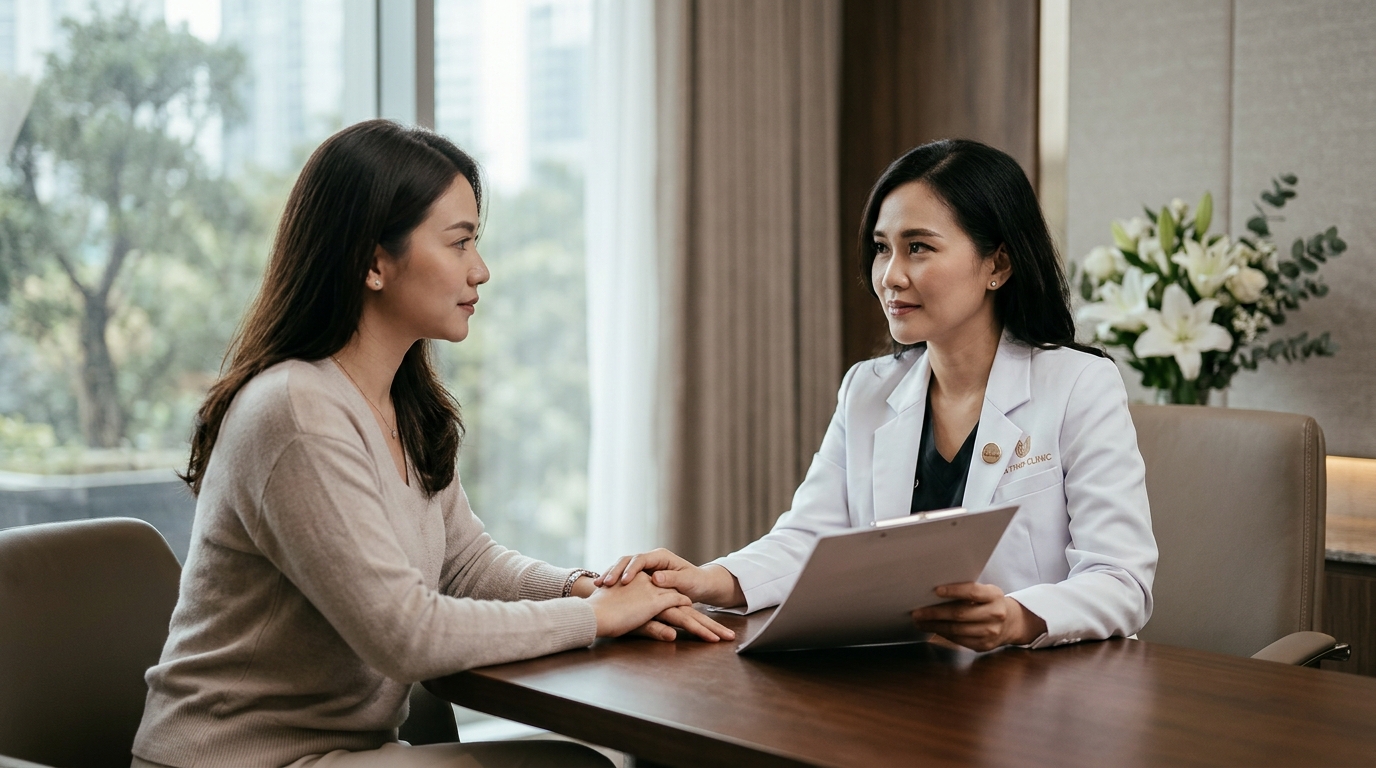
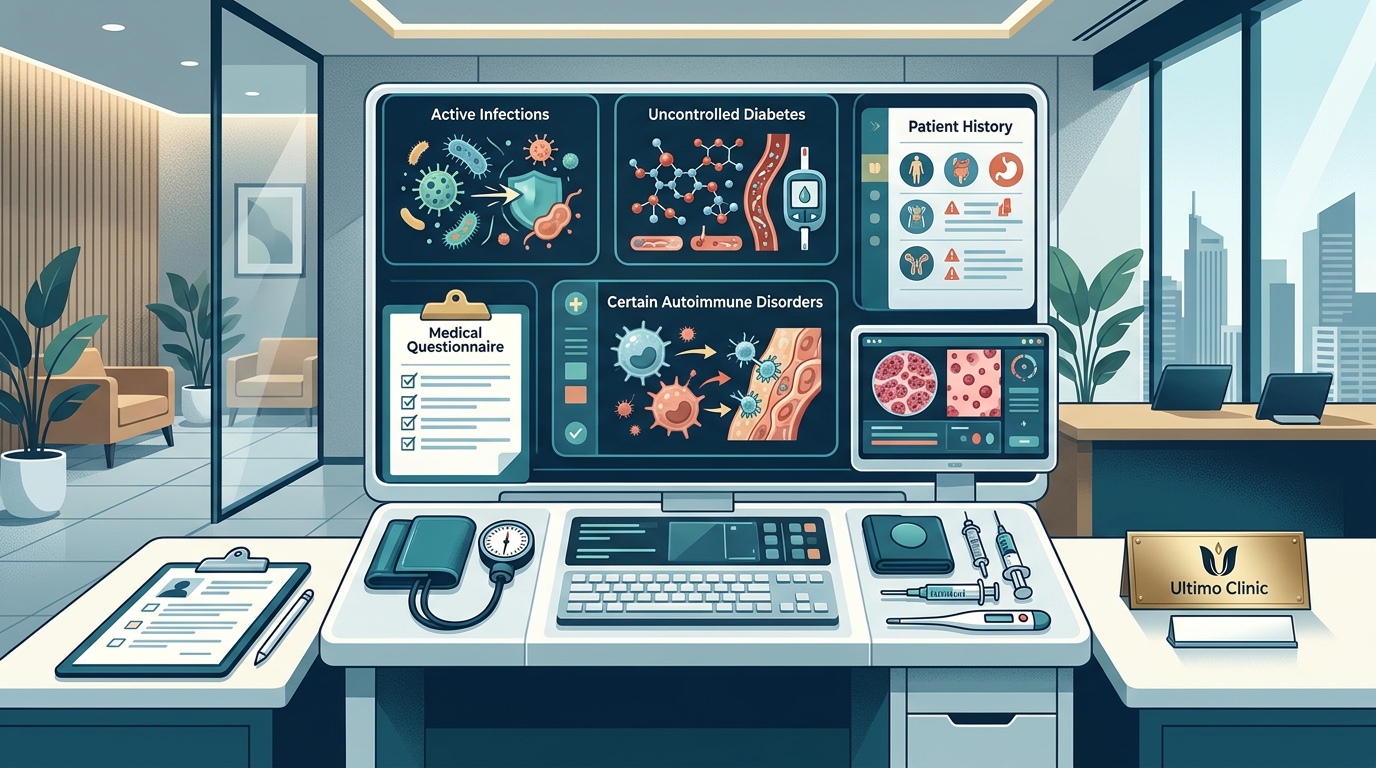
Several medical conditions can disqualify a patient from breast augmentation, including active infections, uncontrolled diabetes, and certain autoimmune disorders. These conditions impair the body's ability to heal or increase the risk of severe complications like implant failure. At Ultimo Clinic, we prioritize patient safety by conducting thorough medical screenings before any surgical plan is finalized.
Systemic Infections and Immune Compromises
Active systemic infections are a primary contraindication for any elective surgery. When the body is fighting an infection, the immune system is already under stress. Introducing a foreign object like a breast implant during this time significantly raises the risk of the infection spreading to the surgical site. This can lead to severe complications that may require the removal of the implant. according to Breast Augmentation UCSF
Patients with compromised immune systems, such as those undergoing chemotherapy or living with advanced HIV, face similar risks. The body's natural defense mechanisms are weakened, making it difficult to prevent bacterial colonization around the implant. Surgeons must ensure that the immune system is stable and functional before proceeding with any aesthetic procedure.
At Ultimo Clinic, our surgical team reviews complete medical histories to identify any underlying immune issues. This ensures that the patient is in the optimal state of health to support the healing process and maintain the longevity of the implant.
Uncontrolled Diabetes and Wound Healing
Diabetes is a chronic condition that affects blood sugar levels and can severely impact wound healing. High blood sugar levels damage blood vessels and nerves, reducing the blood flow to the surgical site. This impaired circulation means that the tissue receives less oxygen and nutrients, which are essential for proper healing.
For breast augmentation, poor wound healing can lead to delayed closure, increased scarring, and a higher susceptibility to infection. If a patient has uncontrolled diabetes, the risk of capsular contracture, a condition where the body forms a tight scar around the implant, is significantly elevated. Therefore, surgeons typically require patients to have stable blood sugar levels before scheduling surgery.
Managing diabetes effectively is a prerequisite for safe breast augmentation. Patients must work with their endocrinologists to ensure their condition is well-managed. This collaborative approach between the plastic surgeon and the primary care provider is vital for achieving a successful outcome.
Autoimmune Disorders and Connective Tissue Diseases
Autoimmune disorders, such as lupus or rheumatoid arthritis, involve the immune system attacking the body's own tissues. These conditions can cause chronic inflammation and affect the integrity of connective tissues. Since breast implants rely on the surrounding tissue for support, any condition that weakens these tissues can compromise the structural stability of the breast.
Connective tissue diseases, such as Ehlers-Danlos syndrome, are also significant contraindications. These conditions affect the elasticity and strength of the skin and connective tissues. Patients with these disorders may experience excessive stretching of the skin, leading to poor implant positioning or visible rippling. The unpredictability of these conditions makes it difficult to guarantee a stable and aesthetic result.
Understanding the specific nature of an autoimmune or connective tissue disorder is crucial during the consultation phase. Our specialists at Ultimo Clinic evaluate these factors carefully to determine if a patient is a suitable candidate for implant-based procedures or if alternative approaches might be safer.
Breast Cancer History and Active Malignancy
A history of breast cancer or an active diagnosis of malignancy is a critical factor in determining candidacy for breast augmentation. Patients with active breast cancer are generally not candidates for elective cosmetic surgery. The priority in these cases is the treatment of the cancer, which may involve surgery, radiation, or chemotherapy that would interfere with the healing of an implant.
Reconstructive surgery is often performed for patients who have had a mastectomy, but this is distinct from cosmetic augmentation. The goals, techniques, and risks differ significantly. It is essential to discuss any history of breast cancer with a specialist to understand the implications for future surgical options.
Key Takeaways
- Active infections and compromised immune systems are primary contraindications for breast augmentation.
- Uncontrolled diabetes impairs wound healing and increases the risk of infection and capsular contracture.
- Autoimmune and connective tissue disorders can weaken the structural support needed for implants.
- Active breast cancer or recent radiation therapy may disqualify patients from elective cosmetic surgery.
- Thorough medical screening is essential to ensure patient safety and optimal surgical outcomes.
- Collaboration between plastic surgeons and primary care providers is vital for managing complex medical histories.
Frequently Asked Questions
Can I get breast implants if I have diabetes?
You may be a candidate if your diabetes is well-controlled and your blood sugar levels are stable. Uncontrolled diabetes increases the risk of poor wound healing and infection, so your surgeon will require evidence of good management before proceeding.
Do autoimmune diseases prevent breast augmentation?
Some autoimmune diseases, particularly those affecting connective tissues, can make breast augmentation risky. The condition may weaken the skin and tissues, leading to poor implant support. A thorough evaluation is necessary to determine if you are a safe candidate.
Is breast augmentation safe after radiation therapy?
Radiation therapy can damage breast tissue, making it less elastic and more prone to complications. While some patients can undergo augmentation after radiation, the surgeon must carefully assess the tissue quality to ensure safety and a good aesthetic result.
What is capsular contracture?
Capsular contracture is a condition where the body forms a tight scar tissue capsule around the breast implant. This can cause the breast to feel hard, look distorted, or become painful. It is a known complication that can be influenced by factors like infection or poor healing.
How does Ultimo Clinic screen for these conditions?
At Ultimo Clinic, we conduct comprehensive medical screenings during the consultation. This includes reviewing your medical history, current medications, and any underlying health conditions to ensure you are in the best possible state for surgery.
Conclusion
Understanding the health conditions that might disqualify you from breast augmentation is a vital step in ensuring your safety and satisfaction. Conditions such as active infections, uncontrolled diabetes, and certain autoimmune disorders can significantly impact the outcome of the surgery. By prioritizing a thorough medical evaluation, you can make informed decisions about your aesthetic goals. At Ultimo Clinic, we are committed to providing safe, high-quality care that respects your health and individual needs. If you are considering breast augmentation, schedule a consultation with our specialists to discuss your medical history and determine if you are a suitable candidate.