
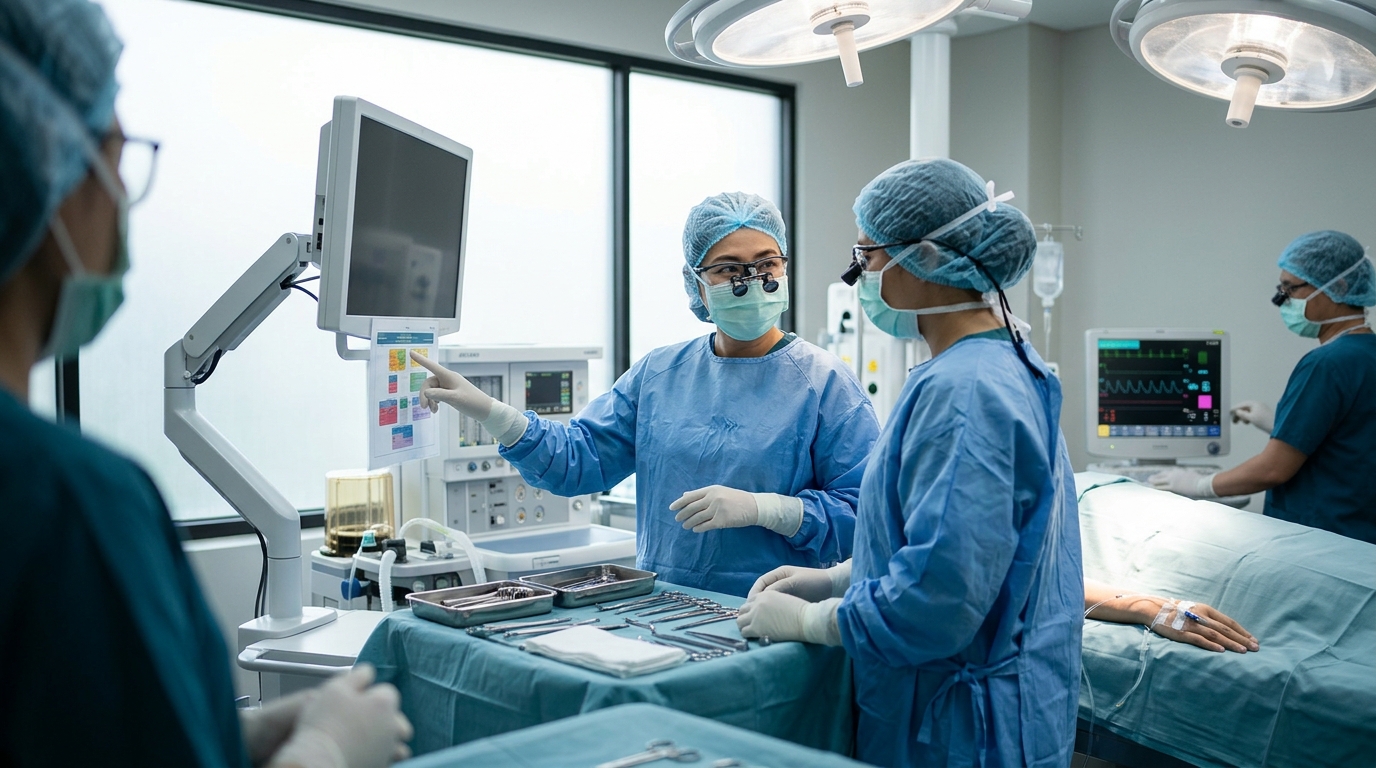
Immediate Resuscitation and Anesthesia Safety
Hemorrhage Control and Blood Management
Infection Management and Sepsis Response
Thromboembolism Prevention and Response
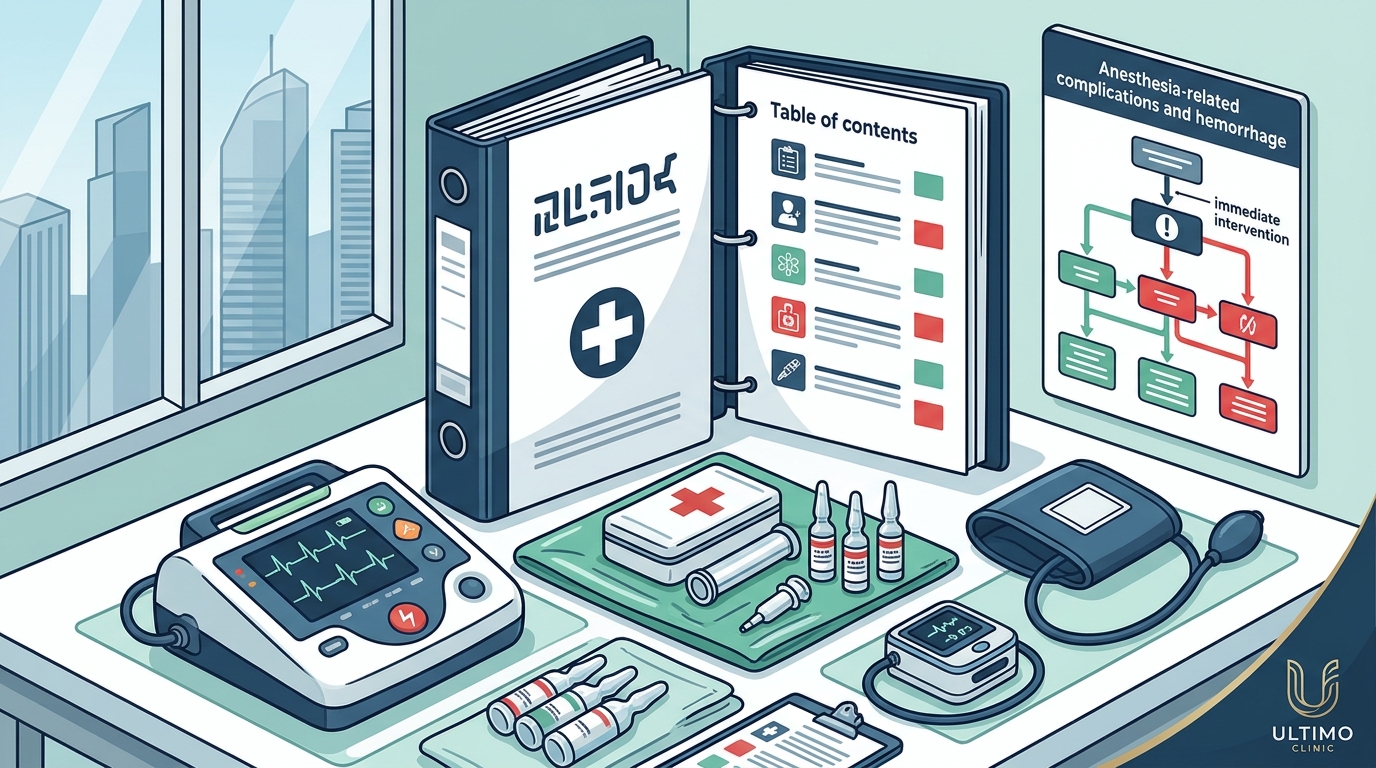
Postoperative Monitoring and Escalation
Key Takeaways
- Immediate resuscitation equipment and trained staff are essential for managing anesthesia emergencies. For additional details, review the About Ultimo Clinic.
- Sepsis response requires early detection and swift administration of antibiotics and fluids. For additional details, review the Ultimo Clinic Klinik Bedah.
- Thromboembolism prevention is critical, with emergency imaging and anticoagulation ready for use. For additional details, review the Ultimo Clinic Klinik Bedah.
- Structured postoperative monitoring ensures that complications are identified and managed promptly. For additional details, review the Kontak Ultimo Clinic.
- Clear escalation pathways help patients know when to seek urgent medical attention. For additional details, review the Articles Ultimo Clinic.
Frequently Asked Questions
What is the most common emergency in plastic surgery?
Anesthesia-related complications and hemorrhage are among the most common emergencies. These require immediate intervention to prevent serious outcomes.
How does a clinic prepare for a blood transfusion emergency?
Clinics maintain direct relationships with blood banks and have protocols for rapid transfusion. This ensures that blood products are available when needed.
What should I do if I suspect an infection after surgery?
Are emergency protocols different for outpatient procedures?
Yes, outpatient procedures require clear instructions for patients on when to seek emergency care. Clinics must provide 24/7 contact information for urgent issues.