

Recovery from plastic surgery is a delicate biological process that demands strict adherence to medical protocols. Data from international health organizations indicates that post-operative complications, such as hematoma or infection, are significantly higher when patients deviate from surgeon-prescribed care plans. At Ultimo Clinic in Jakarta, we observe that the difference between a smooth recovery and a prolonged one often lies in the details of daily patient behavior. This guide outlines the most frequent errors patients make and provides the clinical reasoning behind our specific recovery instructions.
Understanding the Ultimo Method and Structural Integrity
To understand why recovery mistakes are so critical, one must first understand the surgical philosophy at Ultimo Clinic. The Ultimo Deep Structural Lift™ and other advanced procedures are not merely surface-level adjustments. They involve working on the deep structural layers of the face and body, including the SMAS (Superficial Musculoaponeurotic System) and bone anchors. Because these procedures alter the foundational architecture of your anatomy, the healing process is more complex than standard aesthetic treatments.
Dr. Enrina Diah, Sp.BP-RE, KKF, the first internationally certified craniofacial surgeon in Indonesia, emphasizes that integrity of the surgical site is paramount. When you undergo a procedure like an Extended Deep Plane Facelift or HD Tummy Tuck, the tissues are repositioned to a new anatomical position. If you engage in behaviors that disrupt this stabilization, such as excessive facial movement or heavy lifting, you risk compromising the long-term results. The goal is not just immediate aesthetic improvement but structural stability that lasts for years.
Mistake 1: Ignoring Lymphatic Drainage and Swelling
One of the most common errors patients make is underestimating the role of lymphatic drainage in the healing process. After surgery, the body initiates an inflammatory response to heal the surgical site. This results in swelling, which can obscure the final aesthetic outcome for weeks or even months.
The Science of Swelling
Swelling is a natural part of the healing cascade. However, when lymphatic flow is restricted due to inactivity or poor positioning, fluid accumulates in the tissues. This prolonged edema can lead to fibrosis, or hardening of the tissue, which may delay the final result. At Ultimo Clinic, we provide specific guidance on post-operative care that includes manual lymphatic drainage techniques and sleeping positions to facilitate fluid reduction.
How to Avoid This Mistake
- Elevate the Head: For facial procedures, keep your head elevated above the heart level for at least the first two weeks. This uses gravity to assist in fluid drainage.
- Gentle Movement: Engage in the specific gentle movements prescribed by your surgeon. For body contouring, light walking is encouraged to stimulate circulation without straining the incision sites.
- Avoid Salt: High sodium intake causes the body to retain water, exacerbating swelling. Stick to a low-sodium diet during the initial recovery phase.
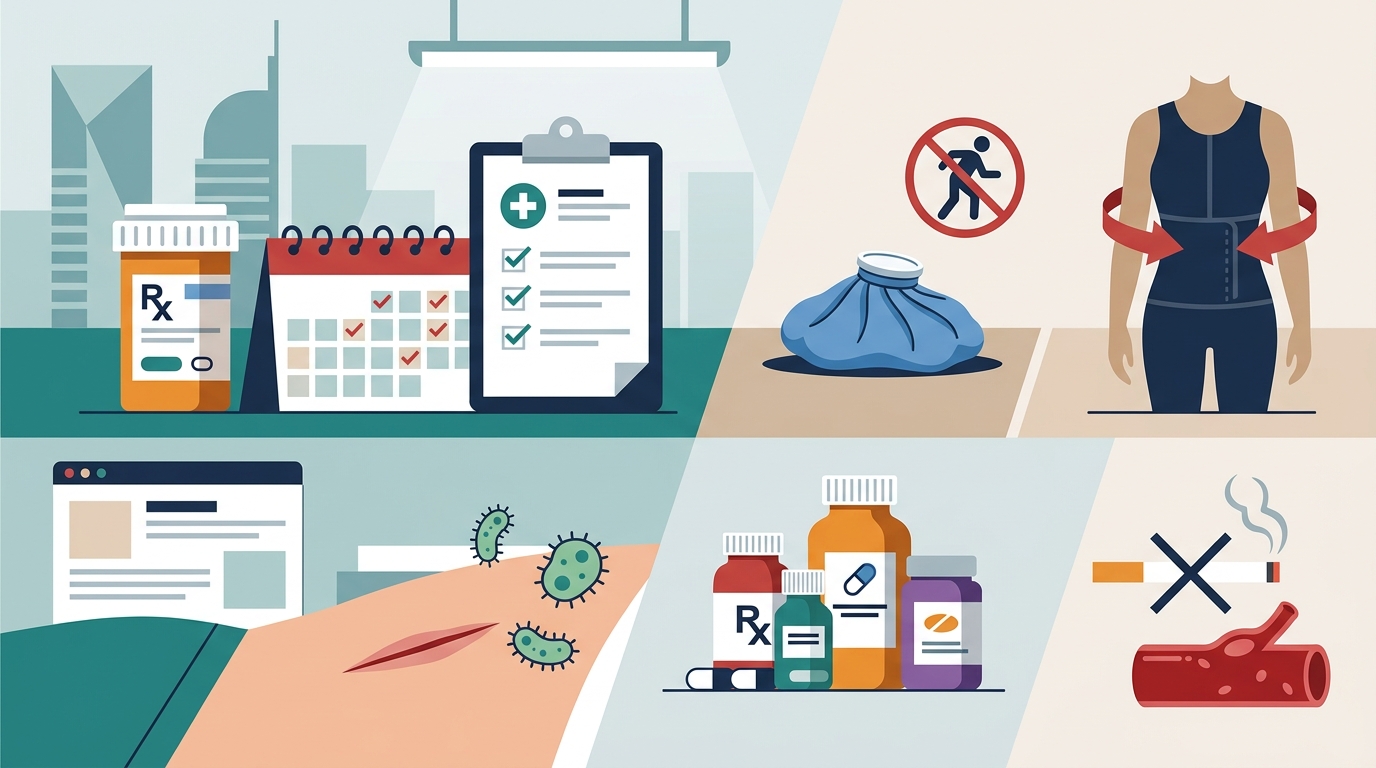
Mistake 2: Neglecting Incision Care and Sun Exposure
Incision care is the frontline of your recovery. Many patients believe that once the stitches are removed, the wound is healed. This is a dangerous misconception. The incision line continues to remodel for up to a year after surgery.
The Risk of Hyperpigmentation
UV exposure is the enemy of healing scars. When new skin is exposed to sunlight, it produces excess melanin as a defense mechanism, leading to hyperpigmentation. This can result in dark, permanent marks along the incision line. According to dermatological studies, protecting healing wounds from UV radiation is critical for achieving an invisible scar. We recommend consulting our media articles for insights on how we prioritize natural-looking outcomes.
How to Avoid This Mistake
- Strict Sun Protection: Use high-SPF sunscreen on incision sites once they are fully closed. For facial procedures, wear wide-brimmed hats when outdoors.
- Keep Incisions Clean: Follow the specific cleaning protocol provided by your surgeon. Do not apply makeup or skincare products to the incision line until explicitly cleared.
- Avoid Picking: Do not pick at scabs or crusts. Let them fall off naturally to prevent scarring.
Mistake 3: Returning to Physical Activity Too Early
The desire to return to normal life is strong, but premature physical activity is one of the most serious mistakes patients make. Increased blood pressure and heart rate can lead to bleeding, swelling, and even dehiscence (opening) of the incision.
The Danger of Hematoma
A hematoma is a collection of blood outside the blood vessels, often caused by the rupture of a blood vessel during surgery or by post-operative strain. If a hematoma forms, it can put pressure on the healing tissues and compromise the aesthetic result. In severe cases, it may require emergency drainage. This is particularly risky for procedures like Breast Enhancement and Body Contouring, where large surface areas are treated.
How to Avoid This Mistake
- Follow Activity Restrictions: Adhere strictly to the lifting and exercise restrictions provided by your surgeon. Typically, no heavy lifting (>10 lbs) for at least 4-6 weeks.
- Gradual Return: Start with light walking and gradually increase intensity only after clearance from your doctor.
- Listen to Your Body: If you feel pain, pressure, or unusual swelling during activity, stop immediately and rest.
Mistake 4: Poor Nutrition and Hydration Habits
Healing is an energy-intensive process. Your body requires specific nutrients to rebuild tissue, fight infection, and reduce inflammation. Many patients neglect their diet during recovery, which can significantly slow down the healing timeline.
Key Nutrients for Healing
Protein is essential for tissue repair. Vitamin C supports collagen synthesis, which is critical for wound strength. Zinc plays a key role in immune function and cell division. Dehydration can also impair circulation, making it harder for nutrients to reach the healing tissues. At Ultimo Clinic, we emphasize that nutrition is a part of the surgical plan, not an afterthought.
How to Avoid This Mistake
- Increase Protein Intake: Consume lean meats, fish, eggs, and legumes to support tissue repair.
- Stay Hydrated: Drink plenty of water throughout the day to maintain circulation and flush out toxins.
- Avoid Alcohol and Smoking: Both substances constrict blood vessels and impair oxygen delivery to tissues, significantly increasing the risk of complications and poor scarring.
Mistake 5: Skipping Scheduled Follow-Up Appointments
Follow-up appointments are not just for checking in; they are critical for monitoring the healing process and catching any potential issues early. Patients often feel confident after a few weeks and skip these visits, assuming everything is fine.
The Importance of Professional Monitoring
Some complications, such as seroma (fluid accumulation) or early signs of infection, may not be immediately painful but can become serious if left untreated. Dr. Enrina Diah and her team at Ultimo Clinic use these appointments to assess the structural integrity of the healing tissues and adjust care plans as needed. This personalized monitoring is a key benefit of choosing a specialist-led practice.
How to Avoid This Mistake
- Attend All Appointments: Schedule and attend all follow-up visits as recommended by your surgeon.
- Report Changes: If you notice any unusual symptoms between visits, contact our team immediately. We offer virtual consultations for minor concerns.
- Be Honest: Share any difficulties you are experiencing with pain management, swelling, or emotional well-being. We are here to support you holistically.
Key Takeaways
- Structural Healing: Procedures like the Ultimo Deep Structural Lift™ require deep tissue stabilization; disrupting this through early activity can compromise results.
- Swelling Management: Proper lymphatic drainage and head elevation are critical to reducing edema and preventing fibrosis.
- Scar Care: Strict sun protection and gentle incision care are essential to prevent hyperpigmentation and ensure invisible scarring.
- Nutrition: High protein intake and hydration are non-negotiable for optimal tissue repair and immune function.
- Professional Oversight: Regular follow-ups with Dr. Enrina Diah and her team allow for early detection and management of potential complications.
- No Smoking: Smoking significantly impairs blood flow and increases the risk of necrosis and poor scarring; cessation is vital.
- Patience: Final results take time. Swelling can persist for months, and patience is key to a successful outcome.
Frequently Asked Questions
How long does swelling last after a Deep Plane Facelift?
Significant swelling typically subsides within the first two to three weeks. However, residual swelling can persist for several months, with final results visible after 6 to 12 months. Patience and proper lymphatic drainage are key during this period.
Can I wear makeup after plastic surgery?
Generally, you should avoid applying makeup directly on incision sites until they are fully healed and cleared by your surgeon. For facial procedures, this is usually after 10-14 days. Always use clean brushes and hypoallergenic products to minimize infection risk.
What is the Ultimo Method?
The Ultimo Method is a surgical philosophy based on three principles: architectural integrity, high-precision artistry, and comprehensive multidisciplinary care. It focuses on treating the deep structural layers of the face and body to ensure natural, long-lasting results.
How do I choose between implant and fat transfer for breast enhancement?
The choice depends on your anatomy, desired volume, and personal preference. Dr. Enrina Diah can evaluate your tissue quality and discuss the pros and cons of each option during your consultation to determine the best approach for your goals.
What should I do if I experience severe pain after surgery?
Some pain is normal, but severe, worsening pain may indicate a complication. Contact our team immediately. We have protocols in place to assess your condition and provide appropriate pain management or intervention if necessary.
Is it safe to fly after plastic surgery?
Flying too soon after surgery increases the risk of blood clots and swelling due to cabin pressure. Most surgeons recommend waiting at least 2-4 weeks, depending on the procedure and your individual healing progress. Always consult your surgeon before booking travel. (Risks to consider)
How does Ultimo Clinic handle international patients?
Ultimo Clinic offers comprehensive support for international patients, including virtual consultations, assistance with travel planning, and detailed post-operative care guides. We ensure that your recovery is monitored closely, even if you are not in Jakarta.
Schedule Your Consultation
Recovery is a partnership between you and your surgeon. By avoiding these common mistakes and adhering to the specialized care protocols at Ultimo Clinic, you can ensure a smooth healing process and achieve the natural, refined results you desire. We invite you to discuss your goals and recovery plan with Dr. Enrina Diah and our expert team.
Schedule your exclusive consultation today to begin your journey with confidence and clarity.