

Am I a Good Candidate for Breast Augmentation? A Comprehensive Guide
Breast augmentation remains one of the most sought-after aesthetic procedures globally, with millions of women seeking to enhance their silhouette and restore lost volume. According to recent industry data, the number of cosmetic breast procedures has seen consistent growth over the last decade, reflecting a broader cultural shift toward body confidence and personalized aesthetic goals. However, achieving a natural, harmonious result requires more than just a desire for change. It demands a rigorous evaluation of physical anatomy, psychological readiness, and realistic expectations. This guide outlines the critical criteria used by leading plastic surgeons to determine if you are an ideal candidate for breast implant surgery.
Physical Health and Anatomical Readiness
The foundation of any successful cosmetic surgery begins with a thorough assessment of your physical health. Breast augmentation is a major surgical procedure that requires your body to be in optimal condition to heal properly and minimize complications. Good candidates are generally healthy individuals with no active infections or untreated medical conditions.
Anatomical Considerations
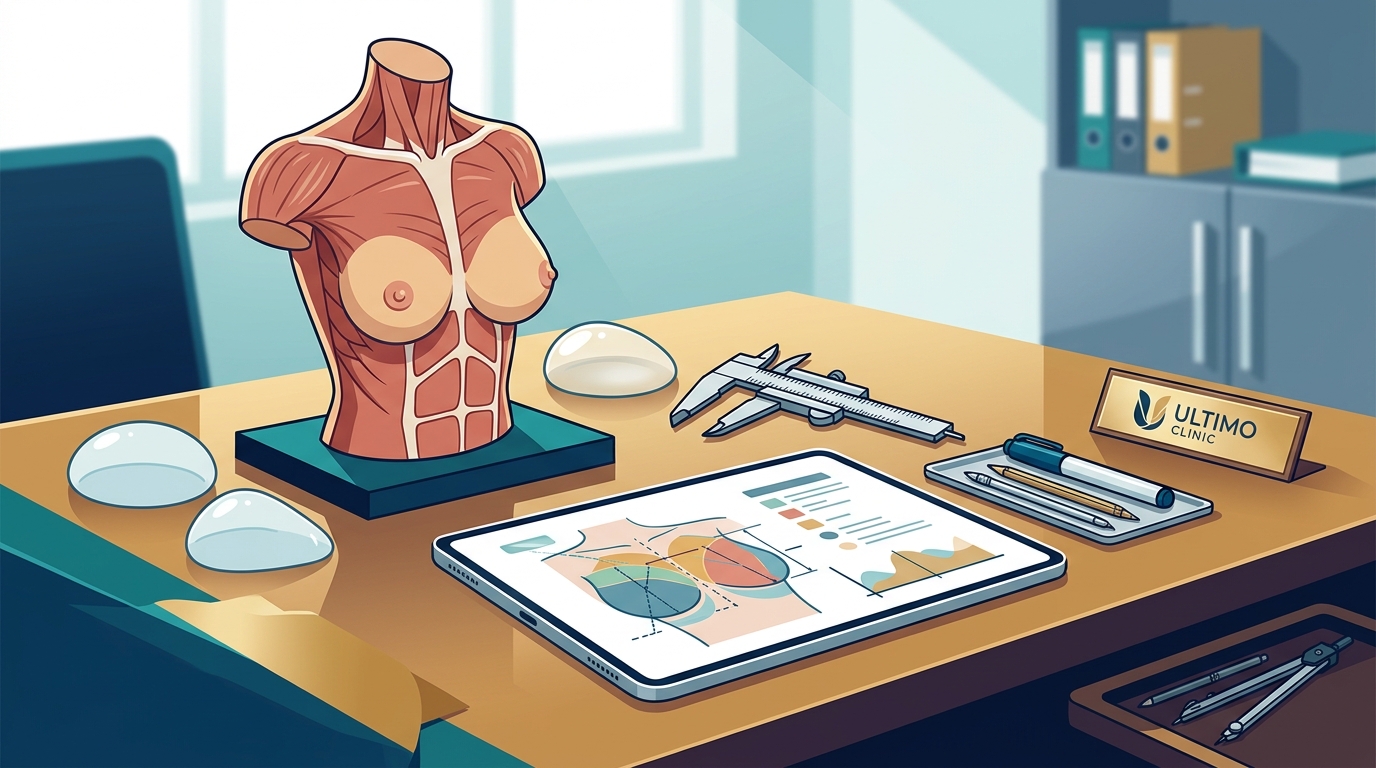
Your natural breast anatomy plays a pivotal role in determining the surgical approach. Breast augmentation is not a one-size-fits-all solution. Surgeons evaluate several anatomical factors:
- Breast Tissue Volume: Do you have enough native tissue to cover an implant, or do you require additional fat grafting?
- Skin Elasticity: Poor skin elasticity may require a concurrent breast lift (mastopexy) to achieve a youthful contour.
- Chest Wall Shape: Asymmetries or pectus deformities may influence implant placement and size selection.
At Ultimo Clinic, we specialize in personalized assessments to ensure that the chosen implant size and shape complement your unique body proportions. Our approach aligns with global standards for aesthetic surgery, which emphasize harmony between the chest wall and the new breast volume. For more insights on body contouring, explore our breast augmentation services.
Medical Contraindications
Certain medical conditions can disqualify a patient from undergoing elective surgery. These include uncontrolled diabetes, bleeding disorders, or a history of poor wound healing. Additionally, patients with a history of breast cancer or those currently undergoing treatment must consult with their oncology team before considering cosmetic procedures. The American Society of Plastic Surgeons provides extensive resources on patient safety and pre-operative health requirements.
Psychological Readiness and Motivation
While physical health is critical, psychological readiness is equally important. Cosmetic surgery can enhance self-esteem, but it cannot resolve deep-seated psychological issues or external life problems. A good candidate undergoes surgery for themselves, not to please a partner or meet unrealistic societal standards.
Realistic Expectations
Understanding the limitations of surgery is crucial. Breast augmentation can increase volume, improve shape, and restore symmetry, but it does not stop the aging process. Patients must accept that implants are not lifetime devices and may require future maintenance or replacement. This reality is often overlooked by those seeking a permanent fix for temporary insecurities.
Research indicates that patients with realistic expectations report higher satisfaction rates post-surgery. According to data from the American Society of Plastic Surgeons, patient education is a key predictor of post-operative happiness. During your consultation at Ultimo Clinic, we prioritize open dialogue to ensure your goals align with what is surgically achievable.
Motivation for Surgery
Common motivations for seeking breast augmentation include:
- Restoring volume lost after pregnancy or breastfeeding.
- Correcting congenital asymmetry or underdevelopment.
- Rebuilding breast volume after weight loss or mastectomy.
If your motivation stems from a desire to feel more confident in your own skin, you are likely a strong candidate. However, if you are seeking surgery to fix a relationship issue or achieve an unattainable ideal, it is advisable to address those underlying concerns first.
Understanding Implant Options
Part of determining candidacy involves choosing the right type of implant. The two primary categories are saline and silicone gel implants. Each has distinct characteristics that may suit different anatomical profiles and lifestyle needs.
| Feature | Saline Implants | Silicone Gel Implants |
|---|---|---|
| Filler Material | Sterile salt water | Cohesive silicone gel |
| Feel | May feel firmer | More natural, soft feel |
| Incision Size | Smaller incision (filled after insertion) | Slightly larger incision required |
| Rupture Detection | Visible deflation occurs quickly | Requires MRI or ultrasound monitoring |
| Cost | Generally lower initial cost | Higher initial cost |
At Ultimo Clinic, we offer both options to ensure you have the freedom to choose what best fits your body and budget. Our team, including Dr. Enrina Diah and Dr. Grace Boaz, provides detailed guidance on which implant type aligns with your aesthetic goals and anatomical constraints.
Lifestyle and Recovery Considerations
Your daily routine and lifestyle habits significantly impact your eligibility for breast augmentation. Surgery requires a dedicated recovery period during which you must limit physical activity and adhere to post-operative care instructions.
Smoking and Nicotine Use
Smoking is a major contraindication for elective surgery. Nicotine constricts blood vessels, reducing blood flow to the surgical site and impairing wound healing. This increases the risk of complications such as infection, poor scarring, and tissue necrosis. Patients are typically required to stop smoking at least four to six weeks before and after surgery. If you are a smoker, consider this a critical step in your candidacy evaluation.
Physical Activity
While breast augmentation is not a weight-loss procedure, maintaining a stable weight is important. Significant weight fluctuations after surgery can alter the appearance of your results. Additionally, patients who engage in high-impact sports or heavy lifting must plan for a temporary hiatus from these activities. According to guidelines from the Johns Hopkins Medicine, proper post-operative rest is essential for optimal healing outcomes.
Age and Timing Factors
Age is a significant factor in determining candidacy for breast augmentation. Regulatory bodies and medical associations have established age guidelines to ensure patient safety and informed consent.
Minimum Age Requirements
In many regions, including the United States and Indonesia, the FDA and local health authorities recommend specific age thresholds:
- Saline Implants: Approved for women aged 22 and older.
- Silicone Gel Implants: Approved for women aged 23 and older.
These guidelines exist because breast development is typically complete by age 18, and younger patients may not have the emotional maturity to make such a permanent decision. However, individual maturity varies, and a consultation with a board-certified plastic surgeon is necessary to assess readiness.
Timing Relative to Life Events
While there is no "perfect" age, timing relative to life events can influence your candidacy. Many women choose to undergo breast augmentation after completing their families, as future pregnancies and breastfeeding can alter breast shape and volume. Understanding the long-term implications of breast implants is crucial for making an informed decision. If you plan to have children soon, you may want to wait until after breastfeeding to achieve more stable results.
Key Takeaways for Candidates
- Health First: You must be in good general health with no active infections or untreated medical conditions.
- Realistic Goals: Understand that surgery enhances your appearance but does not stop aging or guarantee perfection.
- Implant Choice: Saline and silicone implants have different pros and cons; choose based on your anatomy and lifestyle.
- Non-Smoker: Quitting smoking is essential for proper healing and reduced complication risks.
- Age Guidelines: Most candidates are 22+ for saline and 23+ for silicone implants, depending on local regulations.
- Stable Weight: Maintaining a stable weight helps preserve your results long-term.
- Professional Consultation: A personalized assessment with a specialist like those at Ultimo Clinic is the only way to confirm candidacy.
Frequently Asked Questions
How do I know if my breast size is too small for augmentation?
There is no "too small" breast for augmentation. In fact, patients with less native tissue may benefit from specific implant placements, such as submuscular, to ensure adequate coverage. A consultation will determine the best approach for your anatomy.
Can I get breast augmentation if I have had previous breast surgery?
Yes, but it is considered a revision surgery and may be more complex. Previous surgeries can cause scar tissue (capsular contracture) that must be addressed. A thorough examination is required to assess the feasibility.
What is the difference between a breast lift and breast augmentation?
Breast augmentation adds volume using implants, while a breast lift (mastopexy) removes excess skin and tightens tissue to raise the breast position. Many patients require both procedures, known as an augmentation-mastopexy, to achieve optimal results.
How long do I need to take off work after surgery?
Most patients return to non-physical work within one to two weeks. However, jobs requiring heavy lifting or strenuous activity may require four to six weeks of recovery. Recovery timelines vary by individual and the extent of the procedure.
Is breast augmentation safe?
Breast augmentation is generally safe when performed by a qualified plastic surgeon in an accredited facility. Risks include infection, scarring, and implant rupture, which are minimized through proper pre-operative screening and post-operative care.
Can I breastfeed after getting breast implants?
Most women can breastfeed successfully after augmentation. The surgical technique, particularly the incision location, can impact milk production. Discuss your future breastfeeding plans with your surgeon to choose the least invasive approach.
How do I choose the right surgeon for my augmentation?
Look for a board-certified plastic surgeon with extensive experience in breast surgery. Review before-and-after photos, read patient testimonials, and ensure you feel comfortable and heard during the consultation. Contact Ultimo Clinic to schedule your personalized assessment.
Ready to Explore Your Options?
Determining if you are a good candidate for breast augmentation is the first step toward achieving the confidence and body shape you desire. At Ultimo Clinic, we provide comprehensive evaluations and personalized surgical plans tailored to your unique needs. Our team of expert surgeons, including Dr. Enrina Diah and Dr. Grace Boaz, is dedicated to ensuring your safety and satisfaction.
Do not leave your aesthetic journey to chance. Schedule a consultation today to discuss your goals and learn how breast augmentation can help you look and feel your best. Book your appointment now and take the first step toward a more confident you.