

Am I a Good Candidate for Breast Augmentation? A Complete Evaluation Guide
Breast augmentation remains one of the most sought-after cosmetic procedures globally, with millions of women seeking to enhance their silhouette and restore confidence. According to the American Society of Plastic Surgeons, breast augmentation consistently ranks among the top cosmetic surgical procedures performed each year. However, not every individual is an ideal candidate for this specific intervention. Success depends on a combination of physical health, realistic expectations, and specific anatomical goals. This guide outlines the critical criteria you must meet to ensure safety, optimal results, and long-term satisfaction with your surgical outcome.
Physical Health and Stability
The foundation of any successful cosmetic surgery is the patient's overall physical health. Breast augmentation is a major surgical procedure that requires general anesthesia. Therefore, candidates must be in good general health to minimize surgical risks and ensure proper healing.
Chronic conditions such as uncontrolled diabetes, heart disease, or bleeding disorders can complicate the surgical process and recovery. If you have a history of autoimmune diseases, it is crucial to disclose this to your surgeon, as it may affect implant compatibility and healing timelines. Breast augmentation is a surgical procedure that alters the body's structure, requiring a robust immune system to manage post-operative inflammation and tissue repair.
Additionally, your weight should be stable. Significant weight fluctuations after surgery can distort the results of your augmentation. If you are planning to lose a substantial amount of weight, it is often recommended to wait until you have reached your goal weight before undergoing surgery. This ensures that the final aesthetic outcome remains consistent and proportional to your new body shape.
Age and Developmental Readiness
Age is a critical factor in determining candidacy for breast augmentation. The U.S. Food and Drug Administration (FDA) has established specific age guidelines for silicone gel-filled implants. Women must be at least 22 years old to receive silicone gel implants for cosmetic augmentation. This regulation exists because breast development must be complete before implants are placed to ensure the chest wall can support the device properly.
Saline implants, however, do not have a strict FDA age restriction for cosmetic use, though most reputable surgeons still recommend waiting until physical maturity is achieved. Physical maturity is defined as the point where breast growth has ceased and the chest wall structure is fully developed. Breast augmentation is a permanent alteration of the body, so candidates must be emotionally and physically mature enough to make this decision.
For younger patients, it is essential to ensure that breast development is complete. Premature surgery can lead to complications as the body continues to change. Your surgeon will evaluate your developmental stage to determine if you are ready for the procedure. If you are under the age of 22, you may still be eligible for saline implants, but a thorough consultation is necessary to assess your individual circumstances.
Defining Realistic Expectations
One of the most important factors in determining if you are a good candidate is having realistic expectations about the outcome. Breast augmentation can enhance your figure, improve symmetry, and boost self-confidence, but it is not a weight-loss solution. It will not significantly change your body shape or eliminate cellulite.
Understanding the limitations of surgery is vital. While implants can provide volume and projection, they do not stop the natural aging process. Gravity and time will continue to affect your breasts, potentially requiring future maintenance or revision surgeries. Breast augmentation is a tool for enhancement, not a permanent fix for all aesthetic concerns.
During your consultation, discuss your desired look openly. Bring photos of results you admire to help your surgeon understand your aesthetic goals. However, be prepared for your surgeon to advise you on what is anatomically possible for your body type. The goal is to achieve a natural, balanced look that complements your overall proportions. Unrealistic expectations can lead to dissatisfaction, even if the surgical outcome is technically perfect.
Lifestyle and Recovery Capacity
Your daily lifestyle and ability to commit to the recovery process are significant determinants of candidacy. Recovery from breast augmentation typically involves a period of restricted activity. You will need to avoid heavy lifting, strenuous exercise, and raising your arms above your head for several weeks.
If you have a demanding job that requires physical labor, you may need to arrange for time off work. Most patients return to non-physical work within a week, but full recovery can take several months. Breast augmentation is a surgical procedure that requires a dedicated recovery period to ensure implants settle correctly and scar tissue forms properly.
Smoking is another critical lifestyle factor. Nicotine constricts blood vessels and impairs healing, significantly increasing the risk of complications such as poor wound healing, infection, and implant rejection. Most surgeons require patients to quit smoking several weeks before and after surgery. If you are a smoker, be honest about your habits during the consultation, as this may affect your eligibility or the recommended surgical protocol.
Comparing Implant Options
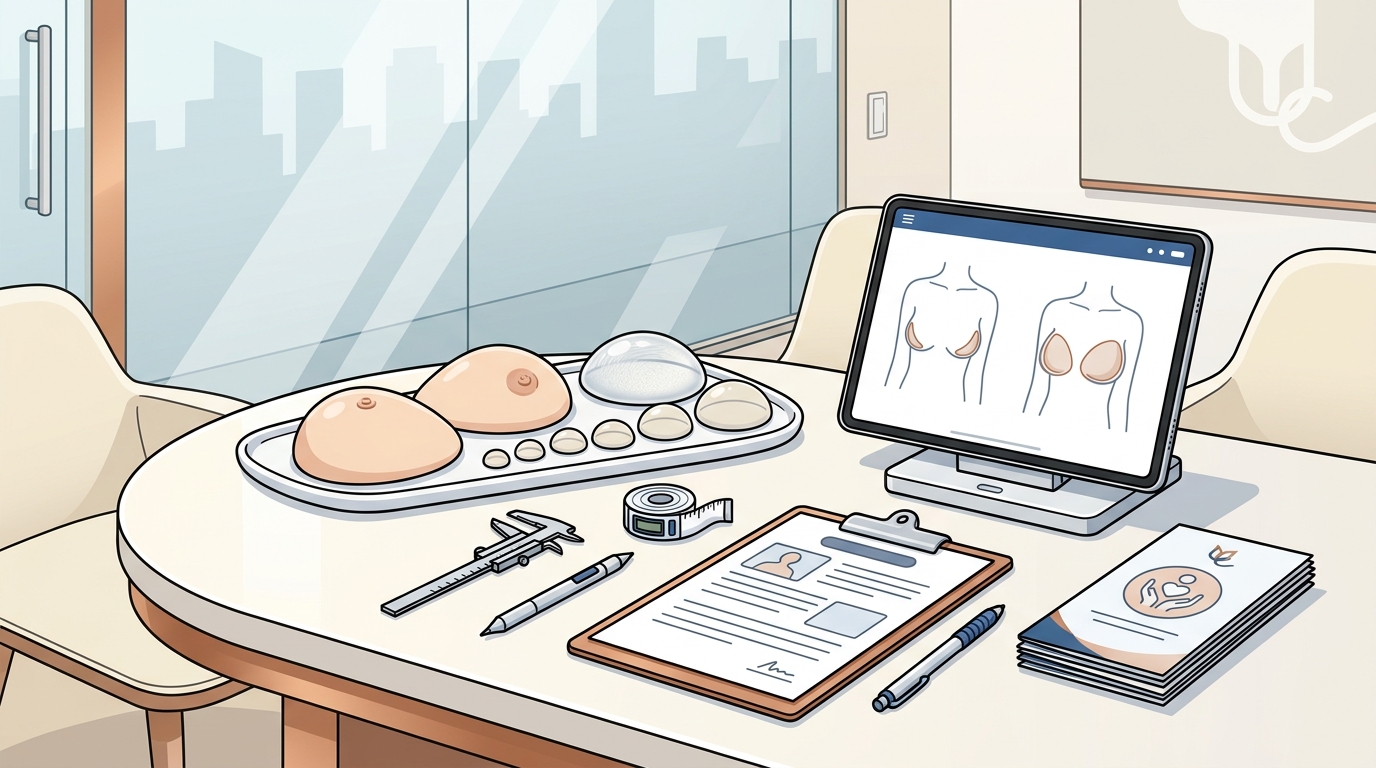
Part of determining your candidacy involves understanding the different types of implants available. The choice between saline and silicone gel implants depends on your body type, desired look, and personal preference. Saline implants are filled with sterile salt water and are inserted empty, then filled once in place. Silicone gel implants are filled with a cohesive silicone gel that feels more like natural breast tissue.
| Implant Type | Feel and Appearance | Incision Size | Best For |
|---|---|---|---|
| Saline | Firm, less natural feel | Smaller incision | Patients wanting adjustable volume |
| Silicone Gel | Soft, natural movement | Slightly larger incision | Patients seeking natural aesthetics |
| Structured | Unique firmness | Variable | Specific anatomical needs |
At Ultimo Clinic, we offer a comprehensive range of implant options to suit individual needs. Our specialists, including dr. Enrina Diah and dr Grace Boaz, will help you select the right implant size and shape based on your chest wall dimensions and tissue characteristics. Choosing the right implant is a collaborative process that ensures your surgical plan aligns with your aesthetic goals.
Key Takeaways
- Age Requirements: Women must be at least 22 years old for silicone gel implants, per FDA guidelines.
- Health Status: Candidates must be in good general health with stable weight and no uncontrolled chronic conditions.
- Realistic Goals: Understanding that augmentation enhances shape but does not stop aging or act as weight loss.
- Recovery Commitment: Ability to take time off work and avoid strenuous activity for several weeks post-surgery.
- Smoking Cessation: Quitting smoking is essential to prevent healing complications and ensure optimal results.
- Implant Choice: Saline and silicone options offer different feels and aesthetic outcomes, requiring professional guidance.
- Professional Consultation: A thorough evaluation by a board-certified plastic surgeon is the only way to confirm candidacy.
Frequently Asked Questions
How do I know if my breast size is proportional to my body?
Proportion is determined by your chest wall width, shoulder width, and hip measurements. A surgeon can calculate the ideal implant volume that complements your frame without appearing disproportionate.
Can I get breast augmentation if I have had previous breast surgery?
Yes, but it depends on the type of previous surgery and the condition of your tissue. A detailed medical history review is necessary to assess safety and feasibility.
What is the difference between saline and silicone implants?
Silicone gel implants generally feel more like natural breast tissue and are less prone to rippling. Saline implants are filled with sterile salt water and can be adjusted in volume during surgery.
How long does recovery take after breast augmentation?
Most patients return to light activities within a week, but full recovery and final settling of implants can take several months. Strenuous exercise should be avoided for at least six weeks.
Is breast augmentation safe?
Breast augmentation is considered safe when performed by a qualified plastic surgeon in an accredited facility. Like all surgeries, it carries risks, which are minimized through proper screening and care.
Will breast augmentation affect breastfeeding?
Most women can breastfeed successfully after augmentation. The surgical technique and incision location are chosen to preserve milk ducts and nerve sensitivity.
How do I choose the right surgeon for my procedure?
Look for board certification, extensive experience in breast surgery, and positive patient reviews. At Ultimo Clinic, we prioritize patient safety and personalized care in every consultation.
Schedule Your Consultation
Determining if you are a good candidate for breast augmentation requires a professional medical evaluation. At Ultimo Clinic, we provide comprehensive consultations to assess your health, discuss your goals, and recommend the best surgical plan for you. Our team of experts, including dr. Enrina Diah and dr Grace Boaz, is dedicated to helping you achieve your body goals safely and effectively.
Ready to take the next step? Book a free consultation today to discuss your options and learn more about how breast augmentation can enhance your confidence and appearance.