

Understanding the post-operative healing timeline is essential for any patient planning elective cosmetic surgery. According to the American Society of Plastic Surgeons, over 2.3 million minimally invasive cosmetic procedures were performed in the United States alone during 2023, highlighting a massive shift toward accessible aesthetic enhancement. ASPS data shows that proper post-operative care directly correlates with faster tissue regeneration and reduced complication rates. Patients seeking treatment at our Jakarta facility benefit from structured recovery protocols designed to minimize downtime while maximizing aesthetic outcomes. This comprehensive guide outlines the exact healing phases, clinical support standards, and practical expectations for your surgical journey.
Initial Healing Phase and Clinical Monitoring
Immediate Post-Operative Care Standards
Recovery begins the moment your procedure concludes. Your surgical team implements immediate wound closure techniques that prioritize tissue alignment and minimize visible scarring. Post-operative care is the structured medical supervision and wound management provided immediately following surgical intervention. Our medical staff tracks blood pressure, oxygen saturation, and incision site drainage to prevent early complications. Patients are provided with detailed discharge instructions before leaving the facility. These documents outline exact medication schedules, wound cleaning protocols, and emergency contact procedures.
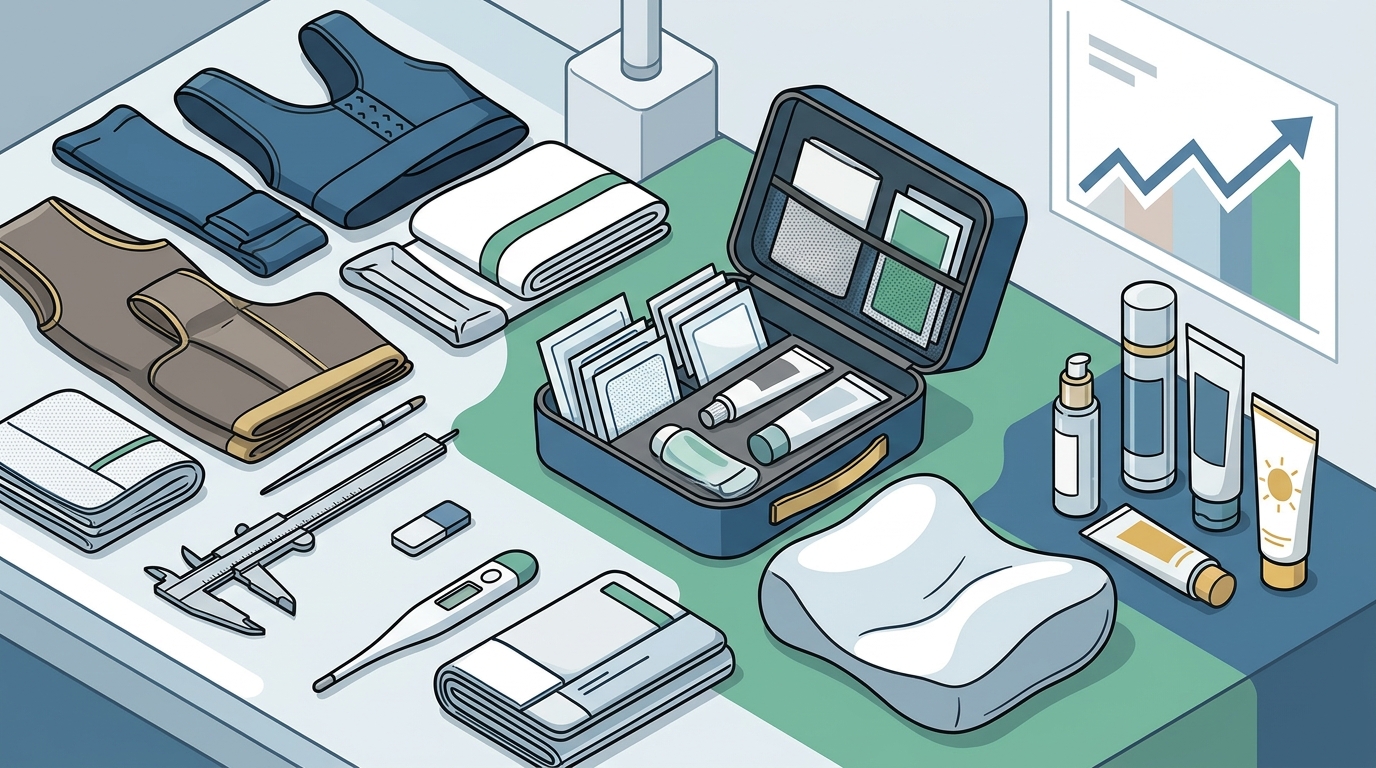
Most surgical interventions require a short overnight observation period. This standard practice allows our physicians to assess anesthesia clearance and manage initial swelling. You will receive compression garments or specialized dressings tailored to your specific procedure. Our clinic maintains strict sterilization standards across all recovery suites. This environment significantly reduces infection risks and promotes faster cellular regeneration.
Pain Management and Medication Guidelines
Pharmacological Support Strategies
Effective pain control remains a cornerstone of successful surgical recovery. Your assigned physician prescribes targeted analgesics based on your medical history and procedure complexity. Analgesic therapy is the targeted administration of pain-relieving medications calibrated to surgical complexity and patient tolerance. This approach minimizes discomfort while preventing excessive sedation. Patients are strictly advised against operating heavy machinery or driving during this medication window.
Swelling management requires consistent application of cold therapy protocols. Our clinical guidelines recommend twenty-minute ice application cycles followed by extended rest periods. This method reduces localized inflammation and accelerates tissue repair. You must never exceed the prescribed dosage without explicit medical approval. Our support team remains available for medication adjustments during your initial recovery week.
Activity Restrictions and Mobility Guidelines
Physical Limitations and Movement Protocols
Restricting physical exertion during the first two weeks prevents surgical site disruption. Post-surgical mobility guidelines emphasize gentle ambulation to stimulate blood circulation and prevent deep vein thrombosis. Patients must avoid strenuous exercise, heavy lifting, and sudden twisting motions. Our medical advisors provide customized movement restrictions based on your anatomical treatment area. Adhering to these limitations significantly reduces the risk of hematoma formation and excessive bruising.
Sleep positioning requires careful adjustment during the initial recovery window. Most facial procedures demand elevated head positioning to minimize overnight fluid accumulation. Abdominal and breast interventions require back sleeping with strategic pillow support. Our clinical team provides detailed ergonomic guidance to ensure optimal tissue relaxation. You should gradually reintroduce light daily activities as your physician clears each recovery milestone.
Follow-Up Appointments and Progress Tracking
Scheduled Clinical Evaluations
Regular physician evaluations track tissue healing and identify potential complications early. Your treatment plan includes mandatory check-ups at seven days, fourteen days, and thirty days post-operation. Clinical evaluation is the systematic physician assessment of tissue healing, incision integrity, and swelling reduction during scheduled visits. Our physicians document progress using standardized photographic records to ensure objective outcome tracking. These scheduled visits allow immediate intervention if abnormal drainage or excessive inflammation occurs.
Long-term monitoring extends beyond the initial healing window. Most patients require quarterly assessments during the first twelve months to evaluate final aesthetic results. Our clinic maintains comprehensive digital health records for seamless continuity of care. You can access your progress documentation through our secure patient portal. This transparent tracking system ensures complete alignment between your expectations and clinical outcomes.
Procedure-Specific Recovery Timelines
Different surgical interventions require distinct healing protocols and downtime expectations. The table below outlines standard recovery windows for our most requested procedures. Each timeline reflects typical patient experiences under our standardized care framework.
| Procedure Category | Initial Downtime | Full Recovery Window | Activity Clearance |
|---|---|---|---|
| Facial Rejuvenation | 7 to 10 days | 3 to 4 months | View details |
| Body Contouring | 10 to 14 days | 4 to 6 months | View details |
| Breast Enhancement | 7 to 12 days | 3 to 5 months | View details |
| Intimate Procedures | 5 to 7 days | 2 to 3 months | View details |
Patients should note that individual healing rates vary based on age, genetics, and pre-existing health conditions. Our physicians adjust recovery expectations during your initial consultation. You will receive a personalized timeline document before scheduling your procedure. This transparency ensures realistic expectations and reduces post-operative anxiety.
Key Takeaways
- Initial clinical monitoring continues for twenty-four hours post-procedure to ensure anesthesia clearance.
- Targeted analgesic therapy minimizes discomfort while preventing excessive sedation during the first three days.
- Gentle ambulation stimulates circulation and significantly reduces deep vein thrombosis risks.
- Mandatory physician evaluations occur at seven, fourteen, and thirty days to track tissue regeneration.
- Facial procedures typically require one week of social downtime before returning to public activities.
- Body contouring interventions demand extended compression garment usage for optimal tissue adherence.
- Long-term aesthetic results stabilize between three and six months following complete tissue remodeling.
Frequently Asked Questions
How long does initial swelling typically last after surgery?
Initial swelling peaks between forty-eight and seventy-two hours post-operation. Most patients experience a sixty percent reduction within the first two weeks. Complete fluid resolution requires three to four months of consistent compression therapy.
When can I safely resume my normal work routine?
Desk-based professionals typically return to work within five to seven days. Physical laborers must wait four to six weeks for full tissue strength restoration. Your physician provides exact clearance dates based on your specific procedure.
Are prescription pain medications mandatory for all procedures?
Prescription analgesics are customized based on surgical complexity and patient pain tolerance. Most facial interventions require only over-the-counter anti-inflammatory medications. Abdominal and breast procedures typically necessitate short-term prescription support.
How do I properly clean surgical incisions at home?
Incision care involves gentle cleansing with sterile saline solution twice daily. You must avoid rubbing, scratching, or applying unapproved topical creams. Our discharge instructions provide step-by-step wound maintenance protocols.
What complications should I monitor during the first week?
Patients must watch for excessive bleeding, fever above thirty-eight degrees Celsius, or sudden swelling increases. Any abnormal drainage requires immediate contact with our clinical support team. Our physicians prioritize early intervention to prevent minor issues from escalating.
Schedule Your Recovery Consultation
Understanding your recovery timeline empowers you to plan your surgical journey with confidence. Our experienced physicians provide transparent healing expectations before you commit to any procedure. Visit our Jakarta facility to discuss your aesthetic goals with our certified surgical team. Book your consultation today and receive a personalized recovery roadmap tailored to your specific procedure.