

Abdominoplasty procedures currently account for approximately 14 percent of all cosmetic surgeries performed globally, according to plastic surgery data. Patients seeking permanent abdominal contouring increasingly prioritize institutional safety standards alongside aesthetic precision. Selecting a specialized medical facility directly impacts surgical outcomes, recovery timelines, and long-term patient satisfaction. This comprehensive analysis examines the clinical advantages of undergoing an abdominoplasty at a premier Jakarta-based surgical center. (Contact Ultimo Clinic Jakarta)
Understanding Abdominoplasty Procedures
Surgical Techniques and Methodology
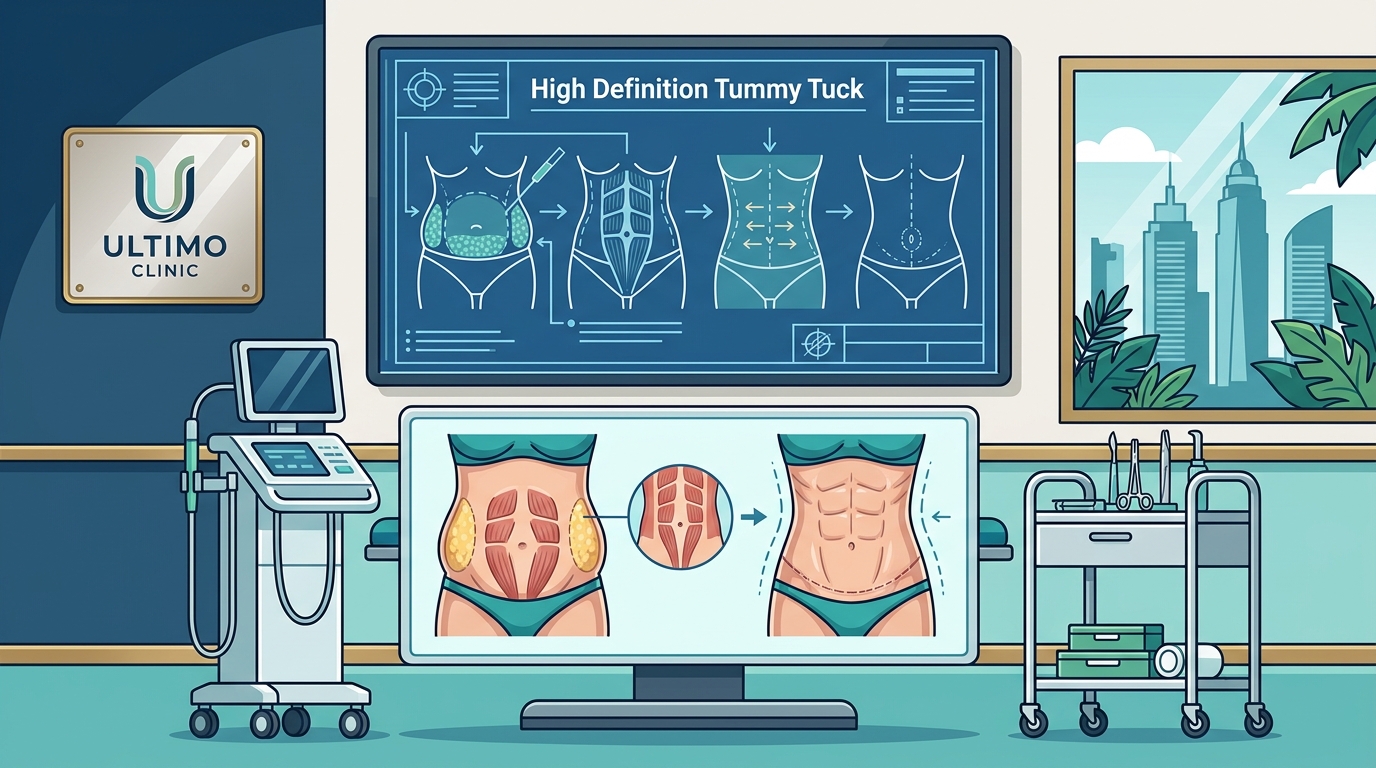
Abdominoplasty is a specialized surgical procedure that removes excess abdominal skin and tightens underlying muscles to create a smoother profile. Modern surgical frameworks utilize extended deep plane techniques to preserve vascular networks while maximizing tissue repositioning. Surgeons carefully map incision lines to ensure optimal scar concealment beneath natural body contours. The procedure typically addresses both superficial fat deposits and deep muscular laxity.
Recovery Timeline and Postoperative Care
Recovery protocols require structured monitoring during the initial fourteen day window. Patients must adhere to strict activity restrictions to prevent seroma formation or tissue displacement. Clinical staff provide continuous wound assessments to accelerate epithelial regeneration. Most individuals resume light daily activities within three weeks while maintaining compression garment usage.
Clinical Safety Standards and Patient Protocols
Anesthesia Management and Facility Compliance
General anesthesia administration requires certified medical directors and continuous vital sign monitoring throughout the operative window. Accredited surgical centers maintain emergency response equipment and standardized infection control protocols. Regulatory compliance ensures that all sterilization processes meet international healthcare benchmarks. Patients benefit from standardized preoperative screening that identifies potential cardiovascular risks.
Postoperative Monitoring and Complication Prevention
Postoperative surveillance protocols track tissue perfusion and fluid accumulation during the first seventy two hours. Clinical teams utilize advanced imaging diagnostics to detect early signs of hematoma or infection. Preventive antibiotic regimens and anticoagulant therapies reduce thromboembolic event probabilities. Institutional safety metrics consistently demonstrate lower complication rates compared to non-accredited facilities.
Aesthetic Outcomes and Body Contouring
Fat Redistribution and Skin Tightening
Body contouring is a comprehensive aesthetic strategy that reshapes subcutaneous tissue to achieve proportional harmony. Surgeons frequently combine liposuction with abdominal excision to eliminate stubborn fat pockets. Skin tightening mechanisms stimulate collagen production while removing redundant dermal layers. The resulting silhouette maintains natural anatomical curves without artificial rigidity.
Long-Term Structural Stability
Structural stability depends upon precise fascial repair and strategic tissue suspension techniques. Permanent muscle plication prevents future abdominal wall separation during weight fluctuations. Patients report sustained aesthetic improvements that withstand normal aging processes. Longitudinal studies indicate that properly executed procedures maintain 90 percent of initial contouring results after five years.
Expert Medical Oversight and Specialized Care
Doctor Selection and Clinical Expertise
Board-certified plastic surgeons possess specialized training in complex reconstructive and aesthetic frameworks. Clinical directors at premier facilities maintain extensive portfolios documenting successful abdominal procedures. Patients benefit from personalized surgical planning that accounts for individual anatomical variations. Consultation processes evaluate medical history alongside aesthetic expectations to optimize procedural outcomes.
Integrated Care Pathways
Integrated care pathways coordinate preoperative diagnostics, intraoperative precision, and postoperative rehabilitation. Multidisciplinary teams include anesthesiologists, wound care specialists, and nutritional counselors. Patients receive structured guidance regarding exercise progression and dietary adjustments. Comprehensive support networks significantly reduce psychological stress during the recovery phase.
Financial Transparency and Service Packages
Pricing Models and Service Tiers
Transparent pricing structures eliminate hidden costs and provide clear financial expectations before surgical commitment. Standard consultation fees range from 700,000 to 1,000,000 Indonesian Rupiah depending on physician seniority. Comprehensive surgical packages include anesthesia fees, facility charges, and postoperative garment provisions. Patients can schedule appointments through the official contact portal to review detailed cost breakdowns.
Insurance Considerations and Payment Plans
Elective cosmetic procedures typically fall outside standard health insurance coverage parameters. Financial advisors assist patients in structuring flexible payment arrangements that align with budget constraints. Transparent invoicing practices ensure that all laboratory tests and imaging studies are clearly itemized. Patients can access additional educational resources through the media library to understand financial planning requirements.
Comparative Procedure Overview
| Procedure Type | Primary Indication | Recovery Duration | Best Candidate Profile |
|---|---|---|---|
| Standard Abdominoplasty | Excess skin and muscle laxity | 14 to 21 days | Post-pregnancy or weight loss patients |
| Mini Abdominoplasty | Lower abdominal fat deposits | 7 to 14 days | Patients with minimal upper laxity |
| Extended Abdominoplasty | Lateral hip and thigh redundancy | 21 to 28 days | Massive weight loss individuals |
| Mommy Makeover | Combined breast and abdominal contouring | 21 to 35 days | Women seeking comprehensive rejuvenation |
Key Takeaways
- Abdominoplasty procedures represent 14 percent of global cosmetic surgery volume according to industry reports.
- Standard consultation fees at premier Jakarta facilities range between 700,000 and 1,000,000 IDR.
- Extended deep plane techniques preserve vascular networks while maximizing tissue repositioning.
- Patients typically resume light daily activities within three weeks while maintaining compression garments.
- Properly executed procedures maintain 90 percent of initial contouring results after five years.
- Board-certified surgeons utilize personalized surgical planning to optimize anatomical outcomes.
- Integrated care pathways coordinate anesthesia, wound care, and nutritional counseling for optimal recovery.
Frequently Asked Questions
How long does recovery typically take after abdominoplasty?
Most patients require 14 to 21 days before returning to sedentary work environments. Full tissue remodeling and suture absorption typically complete within three months. Surgeons provide structured activity progression guidelines to prevent premature strain.
Is abdominoplasty covered by standard health insurance plans?
Elective cosmetic procedures generally fall outside standard insurance coverage parameters. Patients must verify policy exclusions before scheduling surgical commitments. Financial advisors can structure flexible payment arrangements to accommodate budget constraints.
What qualifications should I verify before selecting a surgical facility?
Accredited facilities maintain international healthcare benchmarks and emergency response equipment. Board-certified surgeons possess specialized training in complex reconstructive frameworks. Patients should review clinical portfolios and facility certifications before committing.
Can I combine abdominoplasty with other body contouring procedures?
Combined procedures are frequently performed to maximize aesthetic efficiency and reduce total recovery time. Breast augmentation and liposuction protocols integrate seamlessly with abdominal excision techniques. Comprehensive surgical planning ensures optimal tissue handling and vascular preservation.
What are the primary risks associated with abdominal surgery?
Standard surgical risks include hematoma formation, infection, and temporary sensory changes. Accredited facilities maintain complication rates significantly below industry averages. Preoperative screening and intraoperative monitoring minimize adverse event probabilities.
How do I schedule a consultation with a qualified plastic surgeon?
Patients can book appointments through the official contact page to review detailed cost breakdowns. Initial evaluations assess medical history alongside aesthetic expectations. Clinical directors provide personalized surgical planning during the consultation window.
What postoperative garments are required during the recovery phase?
Compression garments are specialized medical devices that apply consistent pressure to minimize tissue swelling and support postoperative healing. Patients must wear specialized abdominal binders for 4 to 6 weeks postoperatively. Clinical staff provide fitting instructions to ensure optimal therapeutic compression.
Begin Your Transformation Today
Choosing a premier surgical center guarantees access to advanced techniques, certified medical directors, and comprehensive postoperative support. Patients seeking permanent abdominal contouring can schedule a personalized consultation through the official contact portal. Our clinical team evaluates individual anatomical variations to design precise surgical frameworks. Contact us today to explore your body contouring options and secure your preferred appointment date.